Compare Local Contractors for Your Tub Conversion Project
Compare local contractors for tub conversion to define scope, verify experience, and set clear expectations for a successful renovation.
Tub conversion projects typically involve transforming an existing bathtub into a different type of bathing area, such as a walk-in shower, or replacing a standard tub with a more accessible or modern design. These services often include removing the old fixture, preparing the space for the new installation, and ensuring that plumbing and drainage are properly adapted to accommodate the new setup. Property owners might also consider additional modifications like installing new fixtures, waterproofing, or updating surrounding tiling to complete the look and functionality of the new bathing area.
Clearly defining the scope of a tub conversion is essential to ensure the project meets specific needs and expectations. A detailed scope helps property owners and contractors agree on what work will be performed, including any demolition, plumbing adjustments, surface preparations, and finishing touches. Having these details in writing can prevent misunderstandings, ensure that all necessary components are included, and provide a basis for evaluating whether the project aligns with the property’s requirements and budget. Accurate scope definition also assists in selecting the right service providers with relevant experience and expertise.
When comparing local contractors for tub conversion work, property owners should consider their experience with similar projects and their ability to handle the specific scope of work. It’s helpful to verify how long contractors have been working in the area and whether they have a portfolio of completed conversions. Reading reviews or seeking references can provide insight into their reliability and quality of work. Additionally, requesting detailed proposals that outline the scope of work, materials, and responsibilities can facilitate an informed comparison. Focusing on these practical aspects ensures that property owners can find service providers capable of delivering the desired results with clear communication and professionalism.
Compare local contractors by outlining priorities, verifying experience, and setting clear expectations in writing.
- Define the Scope of Work - clearly outline the specific tasks and materials involved in the tub conversion project.
- Verify Contractor Experience - ensure service providers have relevant experience with tub conversions in similar settings.
- Compare Local Contractors - evaluate multiple service providers based on expertise, reputation, and service offerings.
- Document Expectations in Writing - establish detailed agreements to set clear expectations and avoid misunderstandings.

Before comparing contractors for a tub conversion, clearly describe your project scope and verify their relevant experience.
- Verify the contractor’s experience with tub conversions to ensure familiarity with the scope of work. - Review references or past projects to assess the quality of previous tub conversion work performed by local contractors.
- Define the scope of the project clearly in writing to avoid misunderstandings about materials, fixtures, and design preferences. - Ensure that all details, including materials and finishes, are documented and agreed upon before work begins.
- Compare multiple service providers to evaluate their expertise, reputation, and approach to tub conversion projects. - Look for local contractors with a history of successful conversions and positive customer feedback.
- Ask about the types of tubs and materials the contractor typically works with to confirm compatibility with project requirements. - Confirm that the service providers are experienced with the specific styles and features desired for the conversion.
- Check that the contractor provides a detailed written estimate outlining the scope, materials, and responsibilities involved in the conversion. - A comprehensive written plan helps set clear expectations and facilitates project management.
- Discuss the project timeline and milestones to ensure alignment with the scope and your expectations, even if specific dates are not provided. - Clarify how the work will progress and what the key phases will involve to facilitate coordination.
Use this to compare local contractors, clarify project scope, verify experience, and set clear expectations.
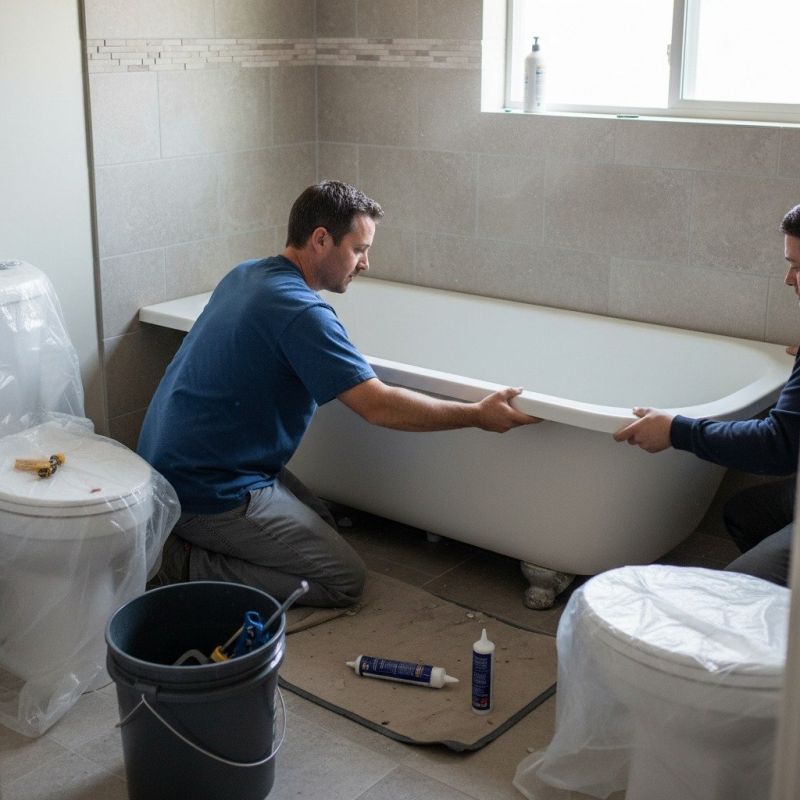
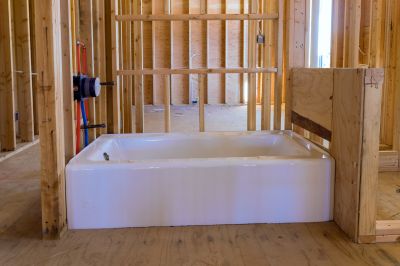
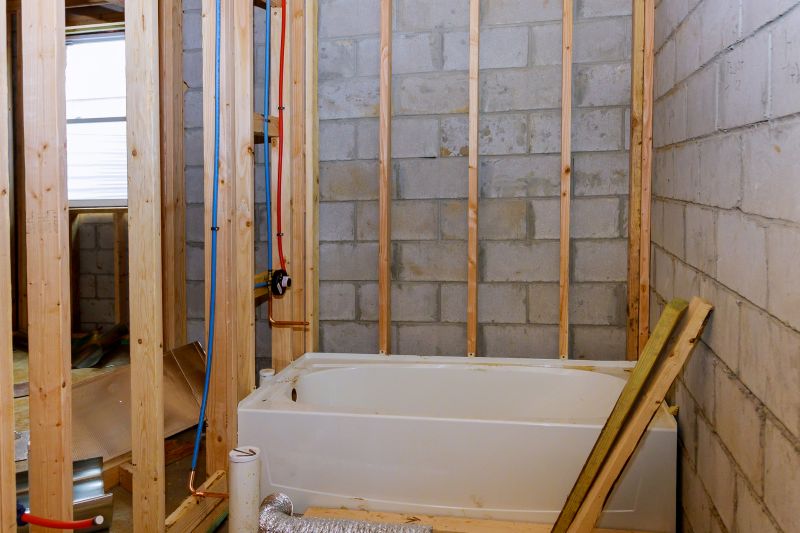

Learn how to compare local contractors for tub conversion projects by defining scope, verifying experience, and maintaining consistent expectations.
- Scope Definition - Clearly outline the specific tasks and materials involved in the tub conversion project.
- Experience Verification - Confirm that local contractors have relevant experience with tub conversions similar in scope.
- Material Selection - Specify the types of fixtures, finishes, and accessories to be used during the conversion.
- Project Details - Document the dimensions, existing setup, and any structural considerations for the conversion.
- Written Agreement - Ensure all scope details, expectations, and responsibilities are documented in a formal agreement.
When comparing contractors for a tub conversion project, it is important to consider their experience with similar bathroom renovations. Homeowners should inquire about the types of conversions the contractors have completed, focusing on projects that match the scope and complexity of the desired upgrade. A contractor with a proven track record in tub-to-shower conversions or other related bathroom modifications can often provide insights into potential challenges and effective solutions, helping to ensure the project proceeds smoothly.
A clear and detailed written scope of work is essential for setting expectations and avoiding misunderstandings. Homeowners should seek proposals that outline specific tasks, materials, and standards involved in the tub conversion. This documentation acts as a reference point throughout the project, ensuring that both parties agree on what will be done and how. Contractors who can articulate the scope clearly and comprehensively demonstrate professionalism and a thorough understanding of the work involved.
Verification basics involve confirming the contractor’s experience and qualifications related to tub conversions. Homeowners should ask for references or examples of completed projects similar to their own, and verify that the contractor has a solid history of successful conversions. Additionally, understanding the contractor’s approach to project planning and communication can help determine their ability to deliver quality results. It is advisable to gather multiple options and compare how each contractor presents their experience and approach to ensure a well-informed decision.
Evaluating options without focusing on prices involves examining how each contractor plans to approach the project and the quality of their proposals. Homeowners should assess the clarity of scope, the professionalism of communication, and the level of detail provided. It is also helpful to consider the contractor’s reputation and experience in bathroom conversions, as well as their ability to answer questions and address concerns. By carefully comparing these factors, homeowners can identify service providers who are well-suited to meet their project needs and expectations.
Request written scope details from local contractors to ensure consistent understanding and expectations for the tub conversion.
- Experience and Expertise - What specific experience do local contractors have with tub conversions similar to the scope of this project?
- Scope of Work - How do contractors define and document the scope of the tub conversion to ensure clarity and agreement?
- Materials and Methods - What materials and construction methods do service providers typically use for tub conversions?
- Project Expectations - How do local contractors communicate expectations and deliverables in writing to prevent misunderstandings?
- Comparison Criteria - What factors should be used to compare contractors beyond pricing to evaluate their suitability for the job?
What should I consider when choosing a contractor for a tub conversion? It's important to compare local contractors based on their experience, reputation, and the scope of work they offer. Reviewing previous projects and verifying their expertise can help ensure the right fit for your needs.
How can I define the scope of my tub conversion project? Clearly outlining your desired changes, including the type of tub, materials, and any additional features, helps in communicating expectations and ensures contractors understand your requirements.
What questions should I ask a contractor before hiring for a tub conversion? Inquire about their experience with similar projects, the steps involved in the conversion process, and how they handle potential issues that may arise during the work.
Why is it important to get the scope and details in writing? Having a written agreement with the scope, specifications, and expectations helps prevent misunderstandings and provides a clear reference throughout the project.
How can I verify the experience of local contractors for tub conversions? You can review their portfolio, ask for references, and check for any relevant project history to assess their familiarity with the type of conversion you want.
What are some key factors to compare when evaluating different service providers? Consider their experience, the clarity of their proposals, the scope of work they offer, and their reputation within the local community to find the best match for your project.
Contractors for tub conversion projects vary in experience, scope, and approach. Visitors have learned how to define the work they need, verify the background of service providers, and set clear expectations in writing to help ensure the project aligns with their needs. Comparing local contractors can help identify options that best suit the specific requirements of each job, making it easier to find the right fit for the project.
Using the quote form allows visitors to connect with local contractors who can handle tub conversions, providing a straightforward way to explore available options. By taking this step, individuals can gather information and compare their choices to find service providers that meet their project expectations.